
Company News: January 2026 — Indian Foundry Reduces Surface Defects After Switching to Fused Ceramsite Sand
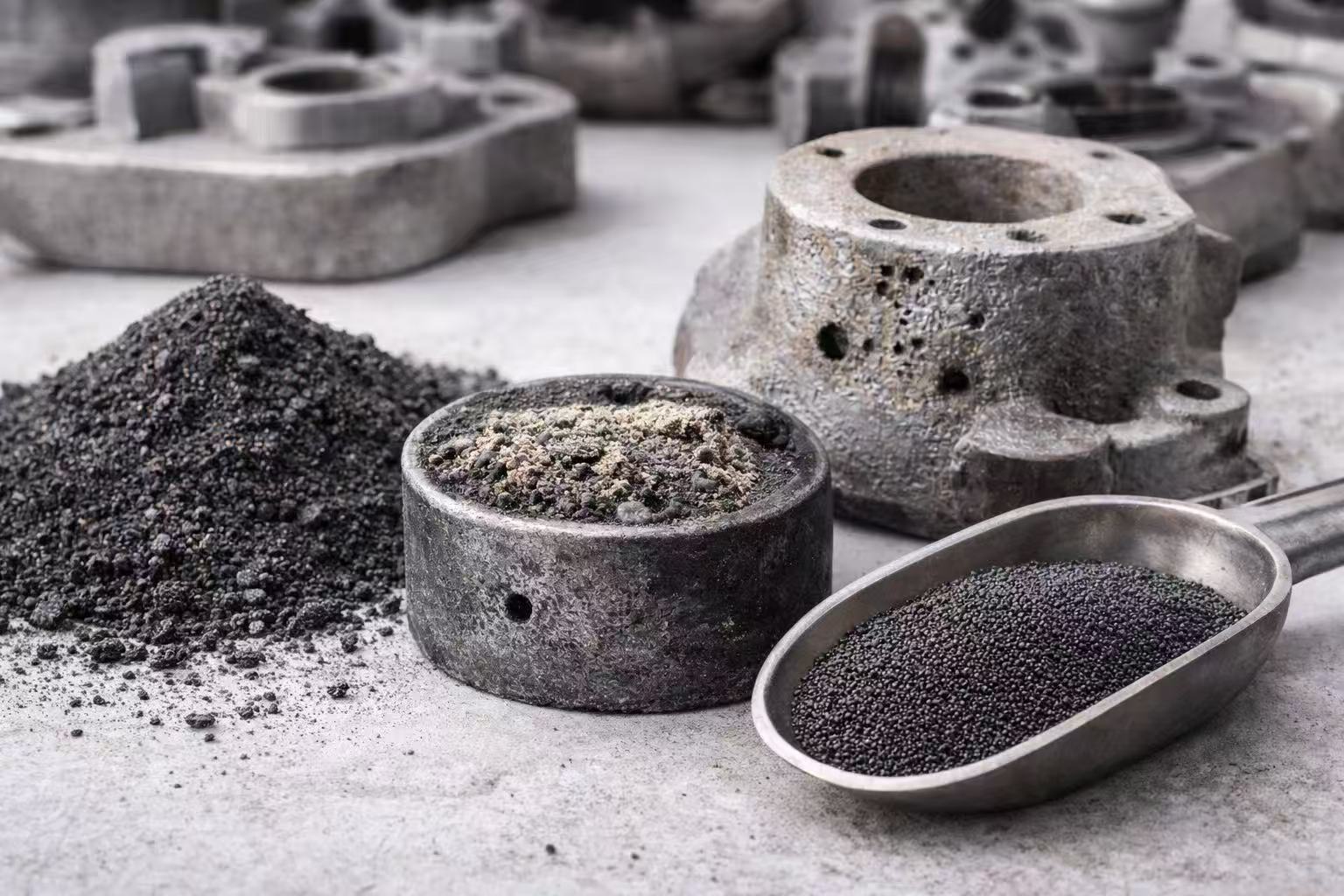
Before the improvement project, the foundry reported a persistent pattern of quality issues while using conventional sand media, including gas-related porosity (pinholes and small blowholes), rough surface finish and localized burn-on, and sand inclusions that appeared sporadically but frequently enough to disrupt production stability. These defects were especially noticeable on higher-demand orders where consistency between batches was required.
Background: What the Customer Was Seeing on the Shop Floor
The customer's production team described three recurring symptoms:
-
Porosity / pinholes appearing on the casting surface after cleaning, leading to additional welding and grinding.
-
Surface defects such as rough patches, penetration marks, or inconsistent surface texture, affecting appearance and machining allowance.
-
Sand inclusion and erosion-related inclusions, requiring more aggressive finishing and increasing rejection risk.
Although the foundry adjusted binder dosage and process parameters multiple times, the defect frequency did not improve in a stable way. Like many foundries, they faced a familiar challenge: changes that solved one issue sometimes triggered another—higher binder to gain strength could increase gas, while loosening compaction to improve venting could reduce core or mold stability.

Joint Approach: Process Review and Media Upgrade
After initial technical discussions, the project focused on two priorities:
-
Improving gas management during pouring by stabilizing permeability and reducing unnecessary gas generation.
-
Enhancing surface stability at the metal–sand interface to reduce erosion and sand-related inclusions.
Based on the customer’s defect pattern and process description, the foundry introduced our fused ceramsite sand into their production line as a replacement for their previous conventional sand media in the relevant molding/core applications. The goal was not simply to “change sand,” but to help the customer build a more stable operating window—where strength, permeability, and surface performance could be balanced with fewer compensating adjustments.
Results Observed After Implementation
Following the switch, the customer reported a noticeable improvement in three key areas:
1) Reduced gas-related porosity
With the revised sand system, the foundry observed fewer surface pinholes and fewer porosity complaints on finished castings. Their team attributed the improvement to more stable gas escape behavior and better overall consistency in the mold/core structure during production.
2) Improved surface finish and fewer surface defects
The customer noted a cleaner surface appearance, with fewer rough patches and fewer localized surface defects that previously required heavy finishing. This contributed to shorter finishing time and improved predictability in machining.
3) Lower incidence of sand inclusion
After the change, the foundry observed fewer sand-related inclusions and fewer quality interruptions linked to erosion or sand breakdown. This reduced the need for rework and helped the production team maintain steadier throughput.

Why This Matters for Foundries Using Conventional Sand
Many foundries in India and other rapidly growing manufacturing regions are under pressure to improve casting quality while controlling total production cost. In practice, surface defects and inclusions often create “hidden cost” through rework labor, lower yield, delayed delivery, and inconsistent customer acceptance.
This January 2026 case reinforces an important operational point: when defect patterns are tied to the interaction of permeability, gas generation, and high-temperature surface stability, media selection can be a major lever for improvement—especially when the foundry has already optimized binder settings and basic process controls but still sees recurring defect drift.
Next Steps: Ongoing Technical Support
Following the initial improvement phase, our team continues to support the customer’s process stability work, focusing on maintaining consistency across batches and documenting best operating parameters for their specific casting geometry and production rhythm. The objective is to help ensure that the quality gains remain repeatable—not only during trial runs, but under full production conditions.
Company News | Back to Work After Chinese New Year: A Fresh Start for 2026
Company News | Sankawa Sangyo Visits TUSHUN New Materials for a Technical Exchange on Precision Foundry Sands
Related Article


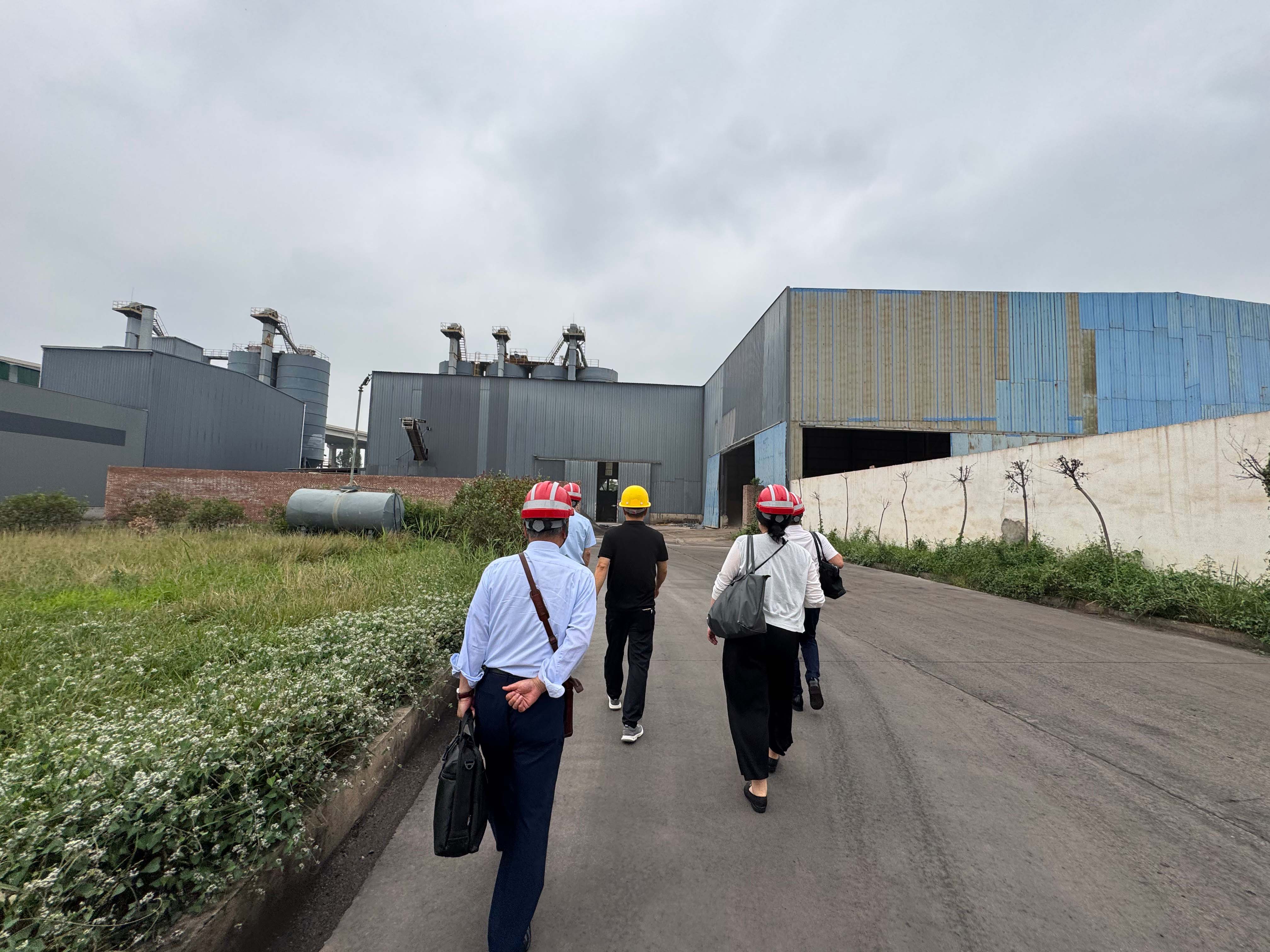
Note: This visit was an information-sharing session only; no commercial commitments or cooperation agreements were made or implied.