
COMPANY /Newsroom /
NEWS
Subscribe to our Newsletter
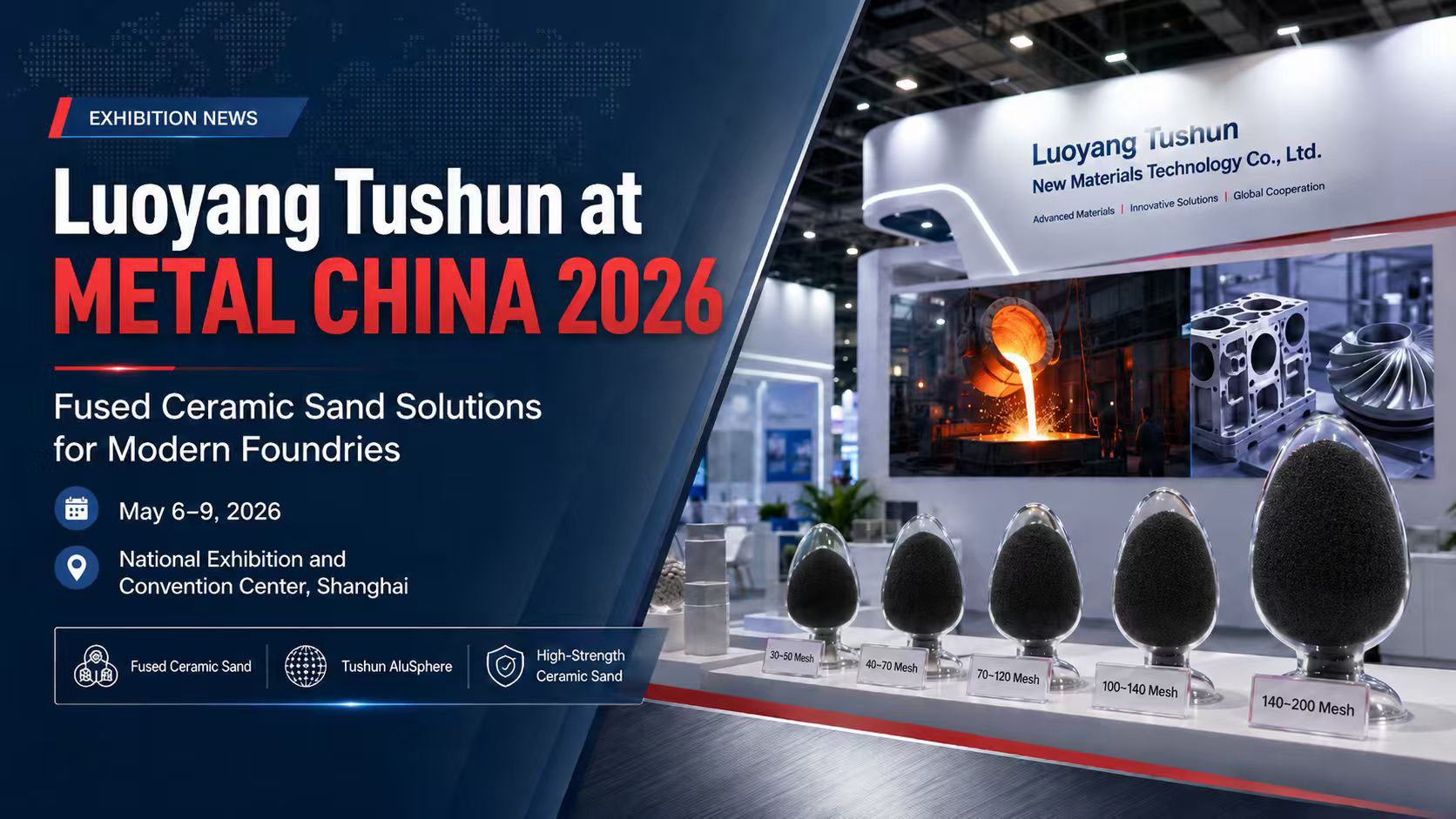 2026-05-14 | Alex ZhangLuoyang Tushun Attended METAL CHINA 2026 in Shanghai, Presenting Fused Ceramic Sand Solutions for the Foundry IndustryRead MoreFrom May 6 to May 9, 2026, Luoyang Tushun New Materials Technology Co., Ltd. attended METAL CHINA 2026 at the National Exhibition and Convention Center in Shanghai, China.
 2026-03-31 | Alex ZhangCompany News | Technical & Commercial Meeting with HA Co., Ltd. in Siheung, Korea (March 18, 2026)Read MoreOn March 18, 2026, Luoyang Tushun New Materials Technology Co., Ltd. held an in-person meeting with HA Co., Ltd. at HA’s manufacturing facility in Siheung, Korea. The session focused on technical alignment and commercial evaluation, with detailed discussions on product quality requirements, grade selection, testing expectations, and pricing framework for potential future procurement.
 2026-02-23 | Alex ZhangCompany News | Back to Work After Chinese New Year: A Fresh Start for 2026Read MoreAs the first working day after the Chinese New Year holiday begins, our team at Luoyang Tushun New Materials Technology Co., Ltd. has officially returned to full operations. After a well-earned break with family and loved ones, we are stepping into the new year with renewed energy, clear priorities, and a strong commitment to supporting our customers with stable supply and responsive technical service.
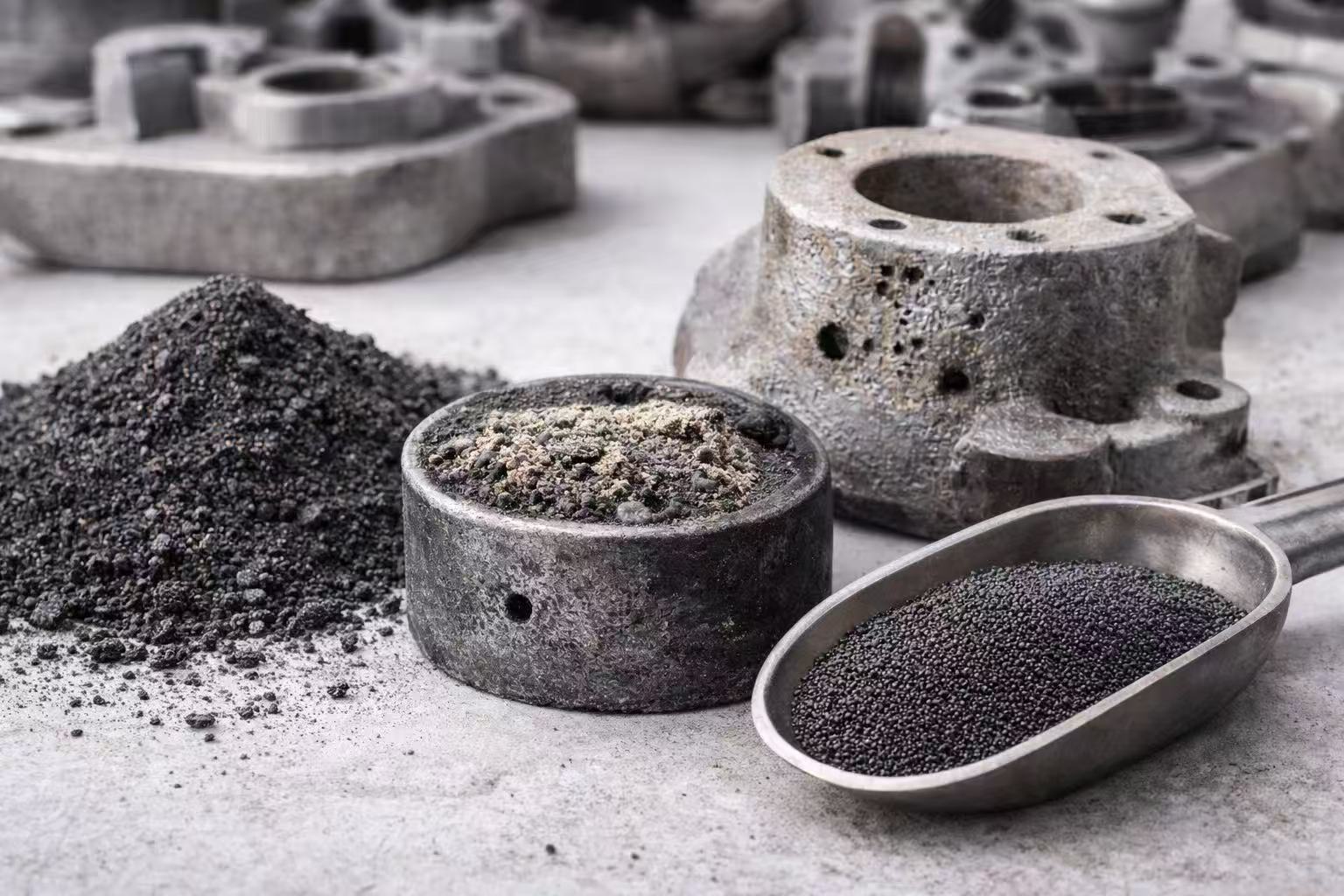 2026-01-27 | Alex ZhangCompany News: January 2026 — Indian Foundry Reduces Surface Defects After Switching to Fused Ceramsite SandRead MoreIn January 2026, our technical team supported an Indian foundry customer in addressing recurring casting surface defects that had been limiting yield and increasing rework costs. The customer produces a range of metal castings where surface integrity and internal soundness are critical for downstream machining and inspection.
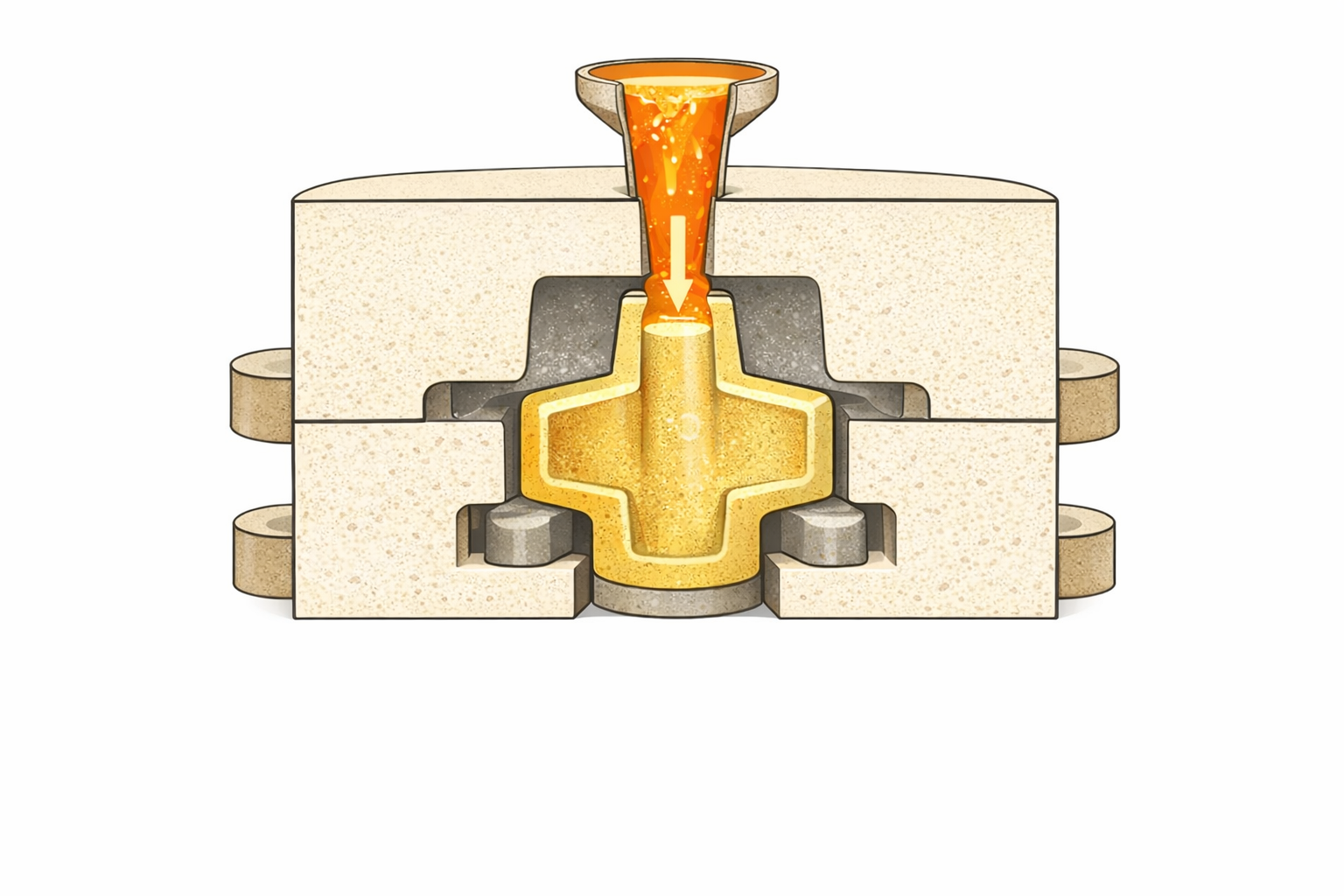 2026-01-27 | Alex ZhangTechnical Feature: How Sand Cores Are Made—and Where Fused Ceramsite Sand Adds Real Process ValueRead MoreSand cores are the “hidden tooling” of metal casting. They create internal passages and cavities that cannot be formed by the external mold alone—cooling channels, oil galleries, hollow structures, undercuts, and complex internal geometry. In many foundries, the majority of scrap and rework associated with internal defects can be traced back to core-related variables: core strength, gas management, thermal stability, dimensional repeatability, surface integrity, and collapsibility after pouring.
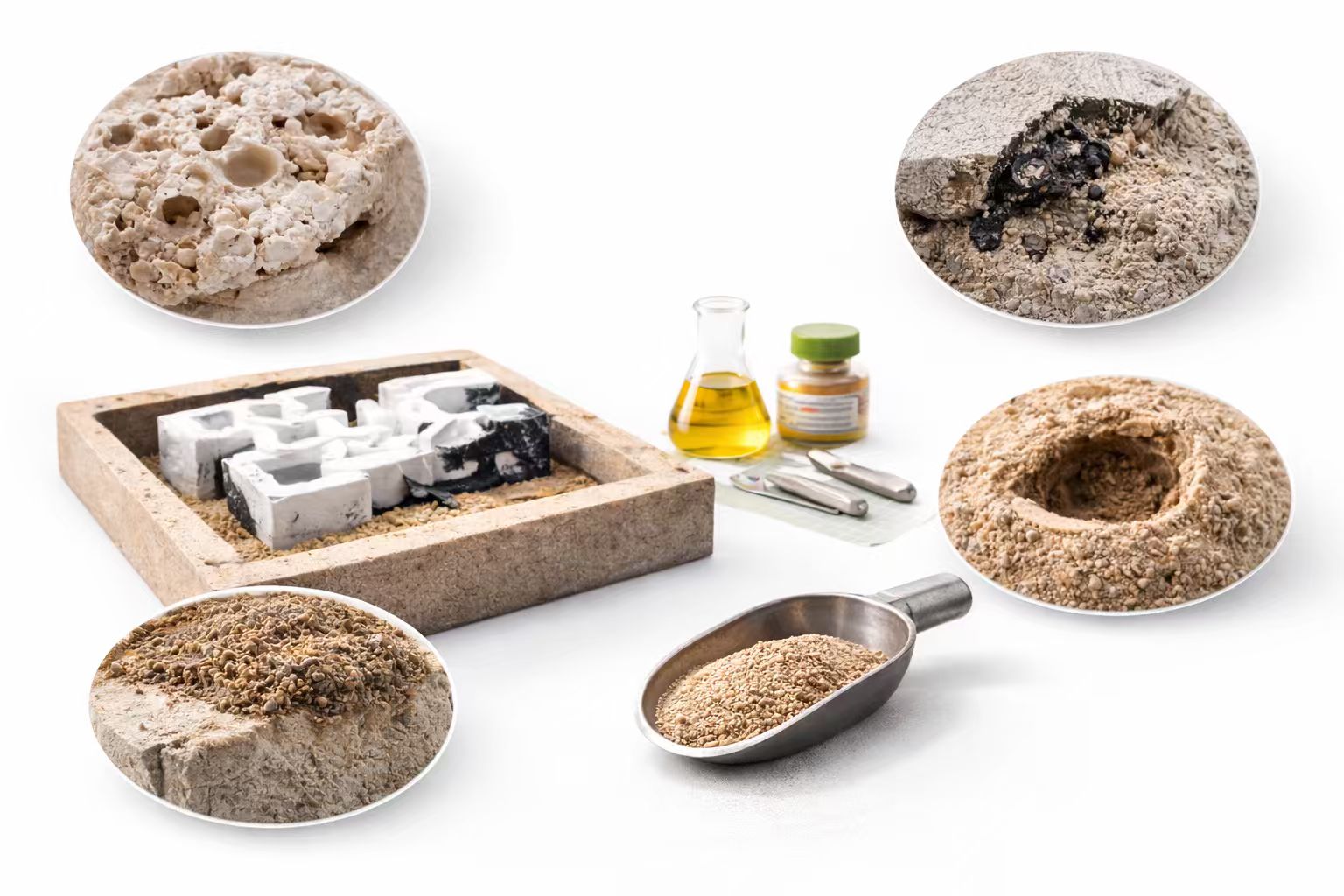 2026-01-07 | Alex ZhangIndustry Watch: The 4 Defects Customers Complain About Most—and Why They Keep Coming BackRead MoreAcross foundries serving automotive, general engineering, valves/pumps, and heavy equipment, customer feedback tends to cluster around the same quality headaches. Even when plants invest in better melting, molding, and inspection, four defects still show up again and again: gas porosity, slag/oxide inclusions, sand-related surface defects (burn-on/penetration/sticking), and shrinkage-related cavities.
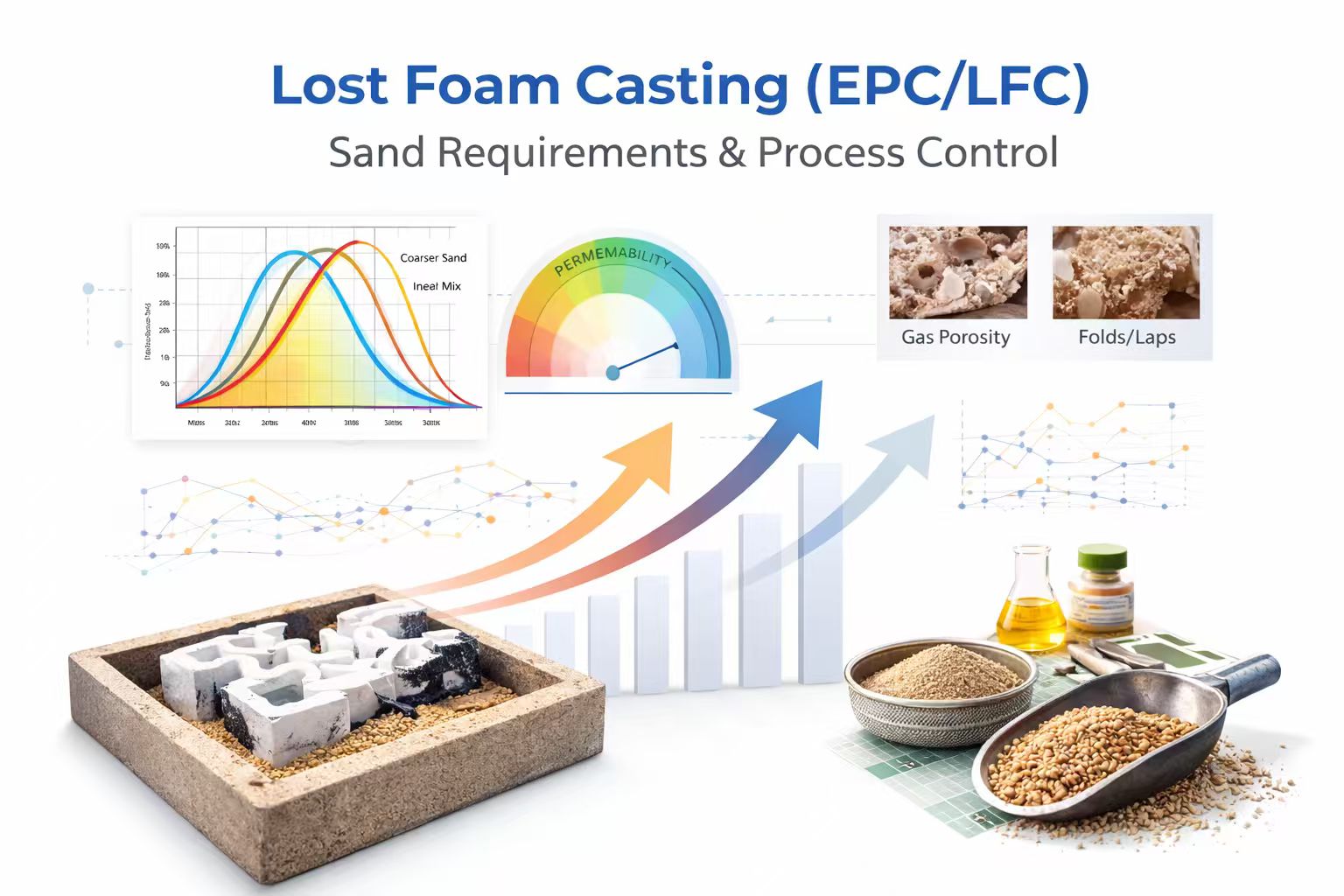 2026-01-07 | Alex ZhangProcess Matters: Why Lost Foam Casting (EPC/LFC) Demands a Different “Sand System”Read MoreLost Foam Casting—also called EPC (Evaporative Pattern Casting) or LFC (Lost Foam Casting)—is often described as a “no-parting-line” process. In reality, it’s a process where the foam-to-gas transition happens inside the mold while molten metal is filling. That single fact changes what “good sand” means.
 2025-12-18 | Haoyuan Zhang2024–2025 Global Foundry Industry Observation: Reshaping Capacity Structure and Material Selection Amid FluctuationsRead MoreGlobal foundry output is broadly steady but regionally divergent: Europe pursues “high-end & green,” China focuses on structural upgrades, India scales volume and quality, and the U.S. shows value resilience.On the shop floor this converges on low-expansion, cleaner, more spherical sands to reduce rework, energy, and variability.
 2025-12-18 | Haoyuan ZhangResin-Coated Sand (RCS) Plants, Unfiltered: Defect Mechanisms and a Repeatable Process WindowRead MoreOver the past quarter we audited two resin-coated sand (RCS) plants—one in East China, one in Southeast Asia—tracking material data from incoming base sand to cores, castings and reclamation. Their equipment and resin systems differed, yet the same patterns kept appearing: periodic spikes of gas-related defects, shell-strength variability, and burn-on/penetration clustered around hot spots when reclaimed sand “tail” growth went unchecked.
 2025-12-03 | Haoyuan ZhangSame AFS, Different Results: How Thermal-Expansion Curves Drive Veining and Dimensional DriftRead MoreTwo molding sands can share the same AFS number yet behave very differently in the mold. The missing piece is the thermal-expansion curve—the way a sand body expands between roughly 600–1000 °C, where most casting shells experience their peak thermo-mechanical stress.
- 1
- 2